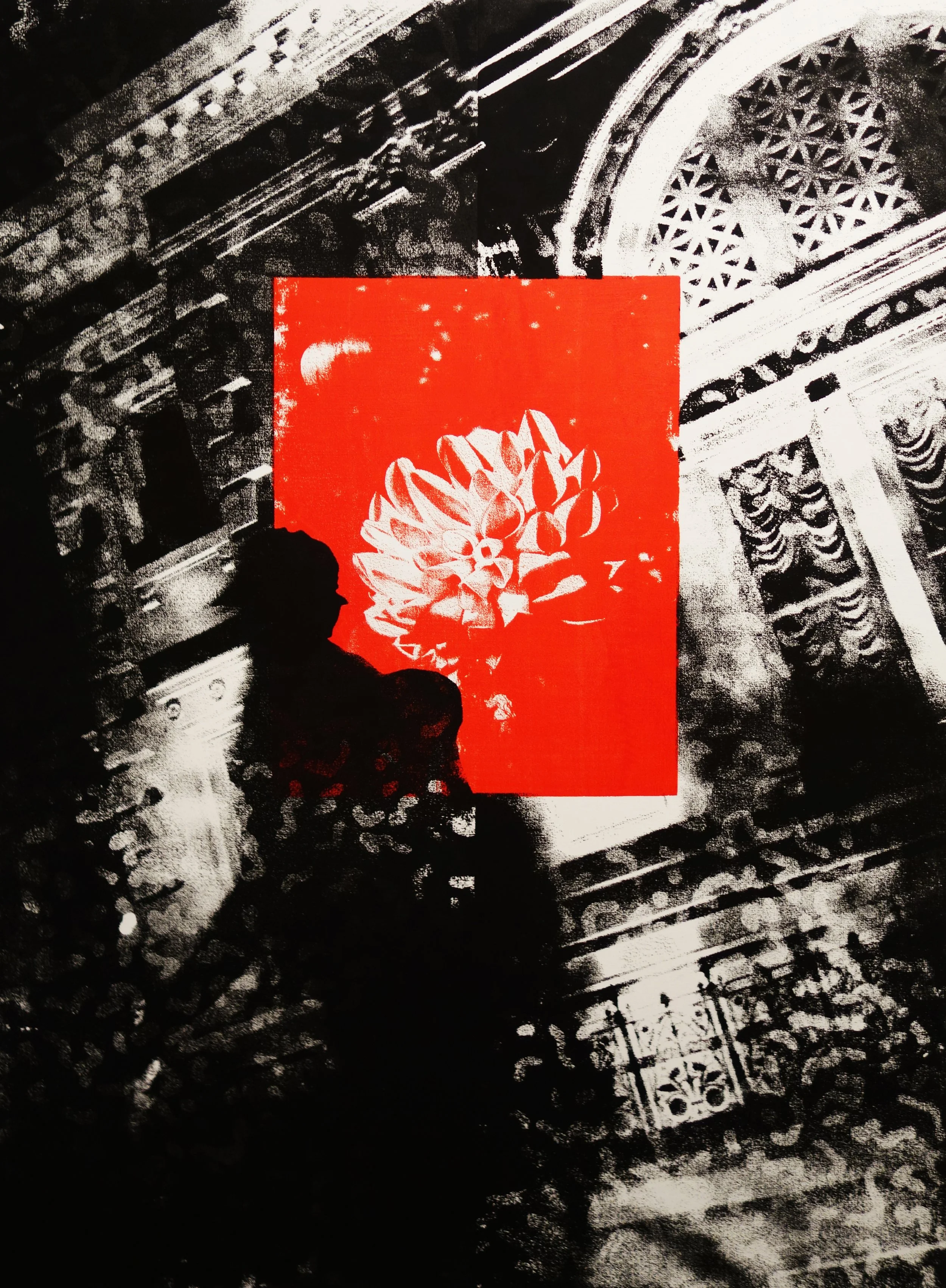
I capture an image. I forget the image. I attempt to remember. Nothing. The image’s sole purpose was to help me remember, yet it can’t. Has it failed, or have I? I begin to speculate how the forgotten image functions in the present, liberated from its associated past.
— Excerpt from MFA Thesis, York University
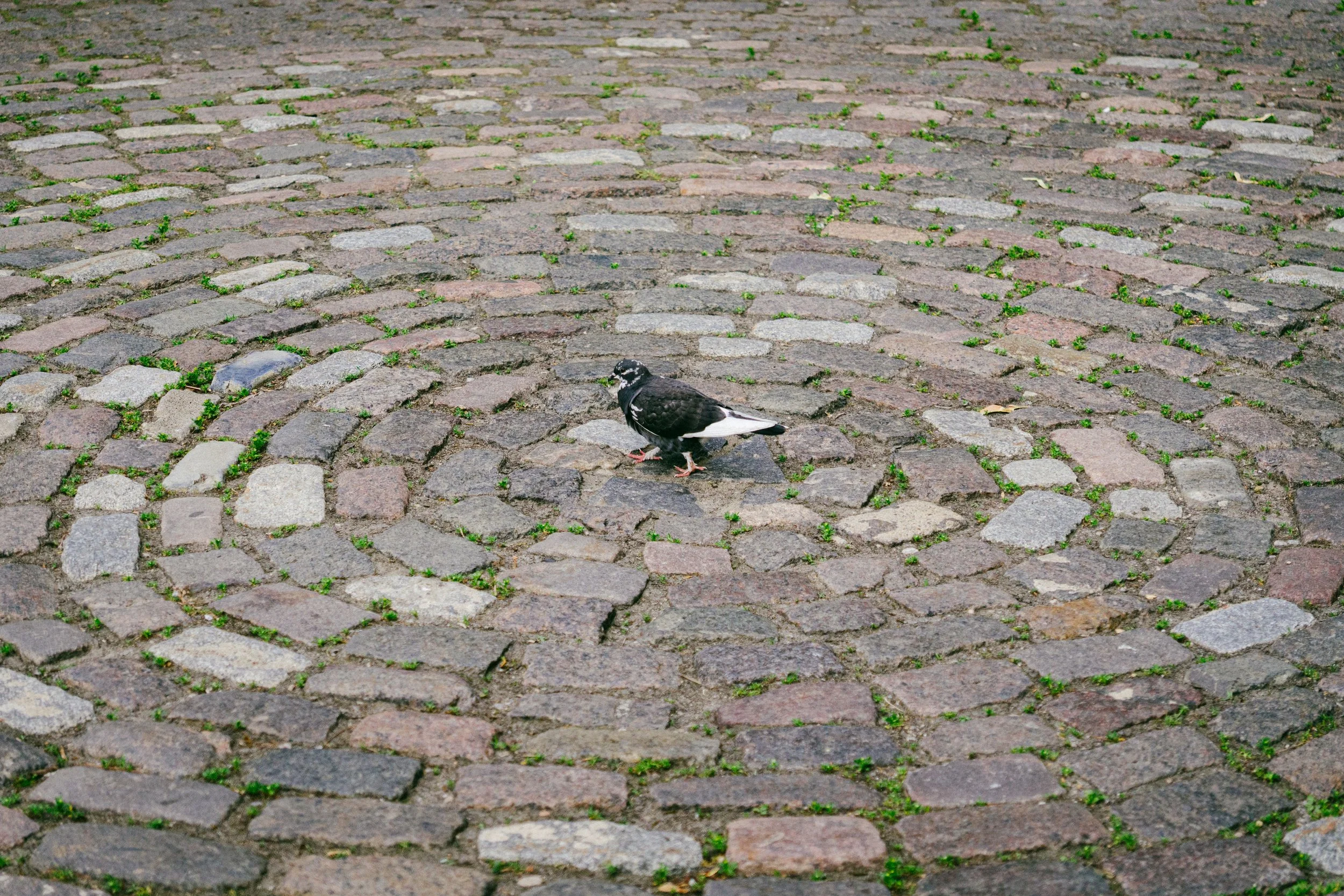
My fascination with the forgotten has recently expanded from the cognitive to the ecological. Just as I once explored the active capacities of forgotten photographs, my current work delves into the historical and social relationship between humans and pigeons. I perceive the pigeon as a living version of a forgotten image: a species that was once a vital companion, now relegated to the status of a nuisance and liberated from its original cultural context.
Through my project Running with Pigeons, I use photography, sculpture, and new media to investigate how these birds offer a rare, egalitarian bridge to nature within urban environments. By constructing functional sculptural lofts, I aim to activate public spaces and challenge the hostile architecture designed to exclude wildlife. My practice invites the spectator to recognize patterns and invent context, ultimately reclaiming a connection to the natural world that is often gatekept by economic and geographic barriers.
Professional Evolution
My professional trajectory is not a separate entity from my studio practice but a direct evolution of it. For over a decade, I have worked within the Canadian arts sector to foster inclusive opportunities for underrepresented populations, specifically those experiencing mental health barriers. My role as the Studio Manager at Prospect’s Studio C did not only mirror my interests; it helped to form them. The daily work of navigating institutional barriers and advocating for accessibility in creative spaces provided the essential framework for my current focus on urban ecology and social inclusion.
This professional background has shaped my understanding of how stigmas function and how they can be dismantled. Whether I am creating sculptural interventions to welcome wildlife back into urban environments or developing gallery workflows to support emerging artists, my work is unified by a commitment to technical mentorship and inclusive advocacy. My practice and my professional roles are bound by the belief that accessibility is not a secondary consideration, but a fundamental requirement for both art and nature to flourish in a civilization.
I acknowledge that I live, create, and work on the ancestral land of the Siksikaitsitapi (the Blackfoot Confederacy, which includes the Siksika, Kainai, and Piikani Nations) and the shared territories of the Tsuut’ina Nation, as well as the Îyârhe Nakoda-Stoney (including the Bearspaw, Chiniki, and Goodstoney First Nations). This land is also home to the Métis Nation within Alberta, including the Calgary Nose Hill and Calgary Elbow Districts.
There has been art, music, dance, storytelling, and ceremony on this land since time immemorial, and it is in the spirit of this land and its people that I do my work. I am grateful for the elders and knowledge keepers whose teachings continue to guide reconciliation in real and practical ways. I offer this acknowledgment with respect and humility, recognizing both the history of these lands and my responsibility to contribute to a more just and inclusive future.